
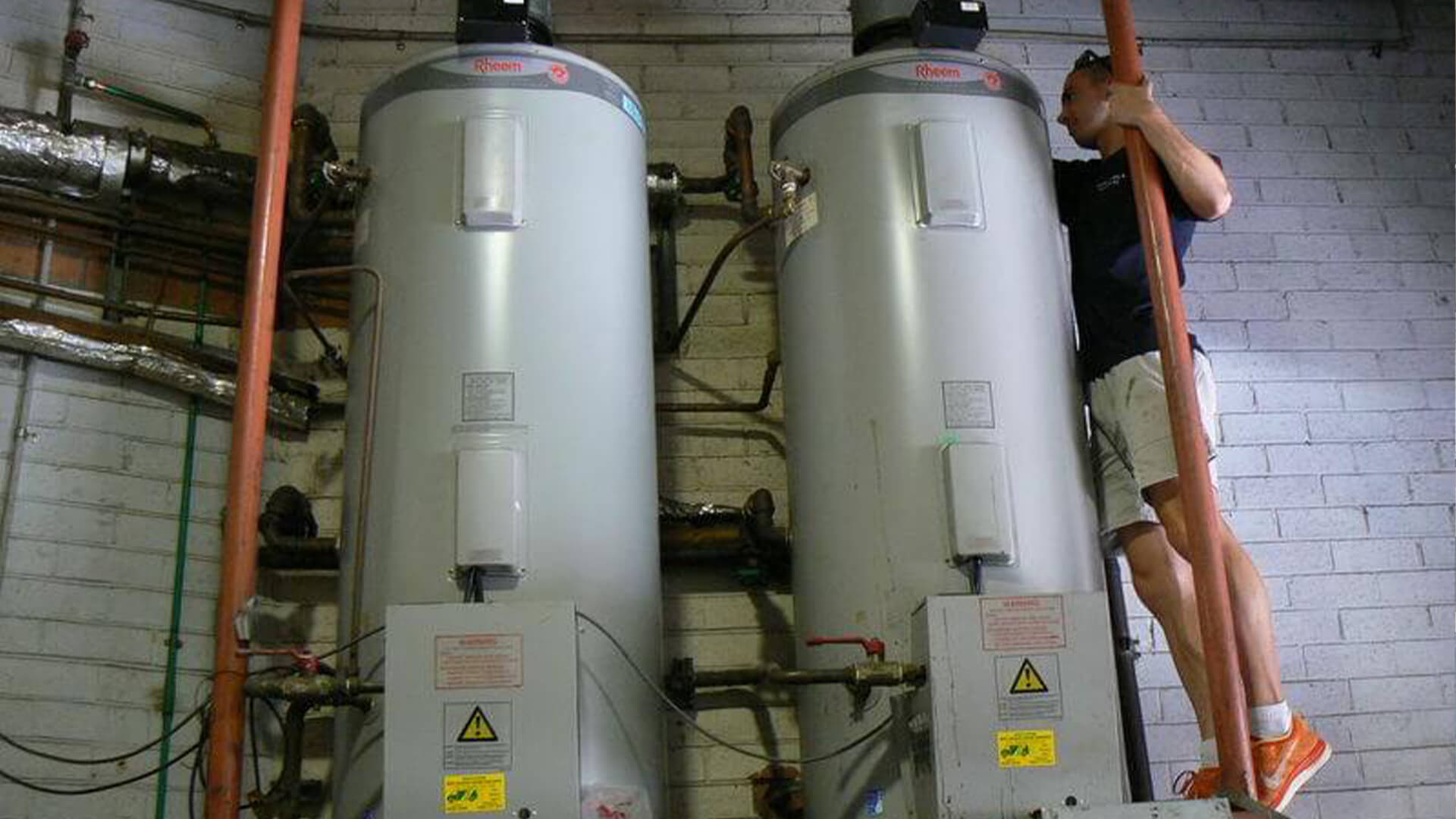
Hot water systems play a big role in daily comfort, and choosing the right setup can influence how efficiently your home runs. Sydney households can choose between electric or gas systems, each offering different strengths depending on usage patterns, energy habits and budget. Understanding how these systems operate and what they cost will help you decide which suits your home.
How These Systems Work
Electric systems heat water either in a tank or instantly as it flows through the unit. They are available as conventional storage models, heat pump systems or instantaneous units. These setups rely fully on electricity and can work alongside rooftop solar if you already use solar or plan to install it.
Gas systems heat water using natural gas or LPG. Storage models keep a tank of hot water ready, while continuous flow systems heat water on demand. Because they use a direct flame, they can reach higher temperatures quickly and recover faster after heavy use.
Upfront And Running Costs
Electric systems are more affordable upfront, easier to install and often better for smaller homes where space is limited. Households that generate solar power can also offset part of their electricity use, which helps reduce operating costs.
Gas systems generally involve a higher initial investment, particularly where a gas line needs to be installed or upgraded. Once operating, they tend to be more cost-efficient day to day, as gas is commonly less expensive for water heating than electricity. In homes where hot water is used frequently or across multiple outlets, this can translate into more favourable running costs over time.
Heating Performance
Electric storage systems heat water gradually using internal elements, so recovery can take longer once the stored supply has been used. Instantaneous electric systems do exist, but they are only suitable for one bedroom premises, typically require three phase power and are not designed to support multiple outlets at the same time. For most households, electric storage systems remain the more practical and widely used option.
Gas storage heaters reach temperature quickly and recover efficiently after long showers or back-to-back use. This stronger recovery rate allows them to maintain a consistent supply during busy periods, making them suited to family homes. Gas continuous flow systems also perform strongly, delivering hot water on demand without relying on stored volume, which helps avoid running out during extended use.
Efficiency And Practical Benefits
Electric systems are compact, quiet and simple in design, which keeps maintenance needs low. Households that use off-peak electricity or solar generation can also reduce operating costs across the day.
Gas systems often deliver lower yearly running costs and maintain consistent hot water through high demand periods. They also continue operating during power outages, which adds an extra layer of reliability.
Choosing The Best Fit
The right option depends on how your home uses hot water, your available energy sources and how much you want to spend upfront. Smaller households or those with modest usage often lean toward electric systems because they cost less to install, take up less space and pair neatly with solar. Heat pump versions also offer higher efficiency for households looking to reduce energy use.
Gas systems suit larger families or homes with frequent showers, multiple bathrooms or regular back-to-back usage. The quicker heating and lower running costs can work out more economical across the year, even if the initial setup costs more. Some government incentives may be available for certain upgrades, but these vary, so it is worth checking what applies at the time.
Making A Confident Choice
Picking the right hot water system is easier when you understand how each option will perform in your home. Once you know your usage patterns and preferred energy setup, you can choose a system that offers steady performance and manageable running costs.
Hot Water Sydney can walk you through your options, explain what will suit your home and arrange installation or replacement through qualified tradespeople. Explore our electric and gas systems available and choose the one that supports your home’s comfort and energy needs.
